x
בניית אתרים בחינם
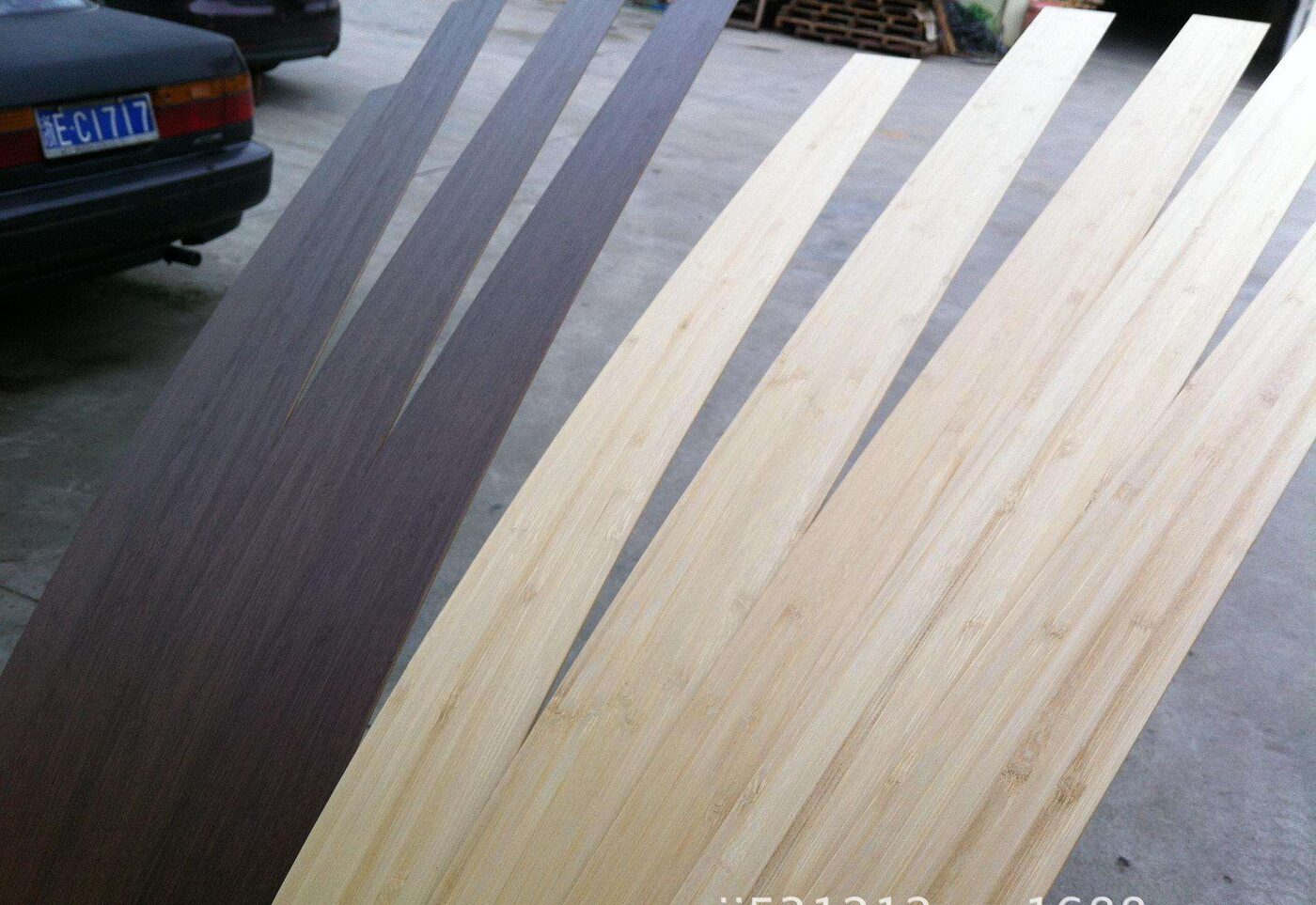
Choosing the right adhesive for bamboo veneer is the most critical decision in any cabinetry or furniture project. Unlike solid bamboo planks, which have significant mass and structural thickness, bamboo veneer is a thin, reactive skin. It is usually between 0.3mm and 0.6mm thick, making it highly sensitive to the moisture content and chemical makeup of the glue used to secure it. If the glue is too watery, the veneer may swell and ripple. If the glue remains too flexible after curing, the bamboo fibers—which are naturally prone to expansion and contraction—can "creep," leading to visible seams or edge lifting.
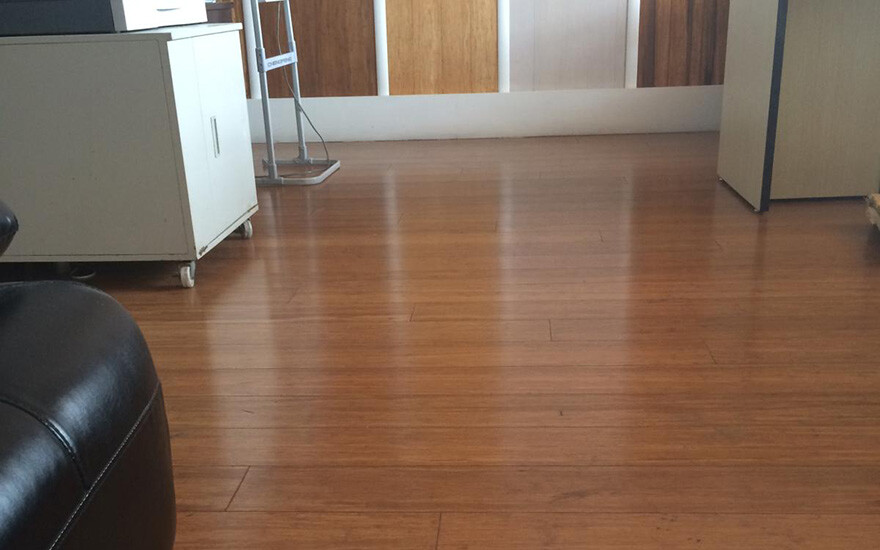
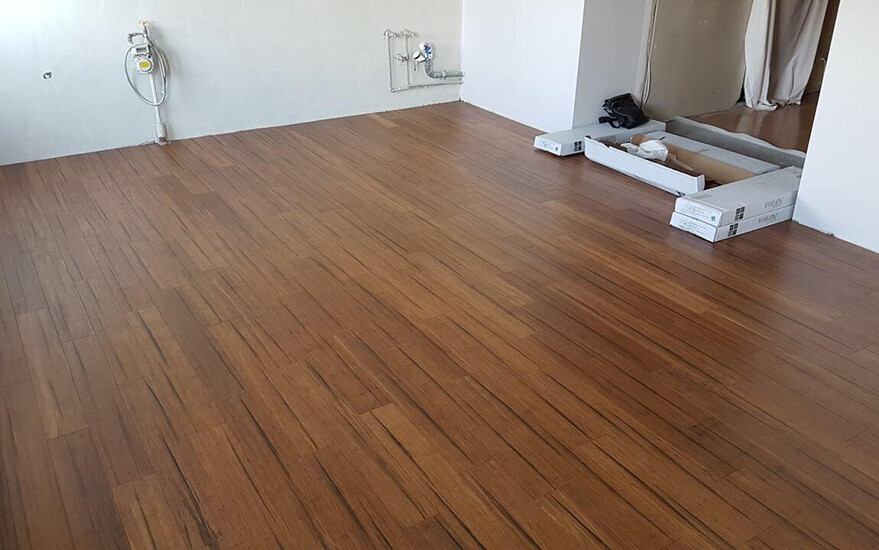
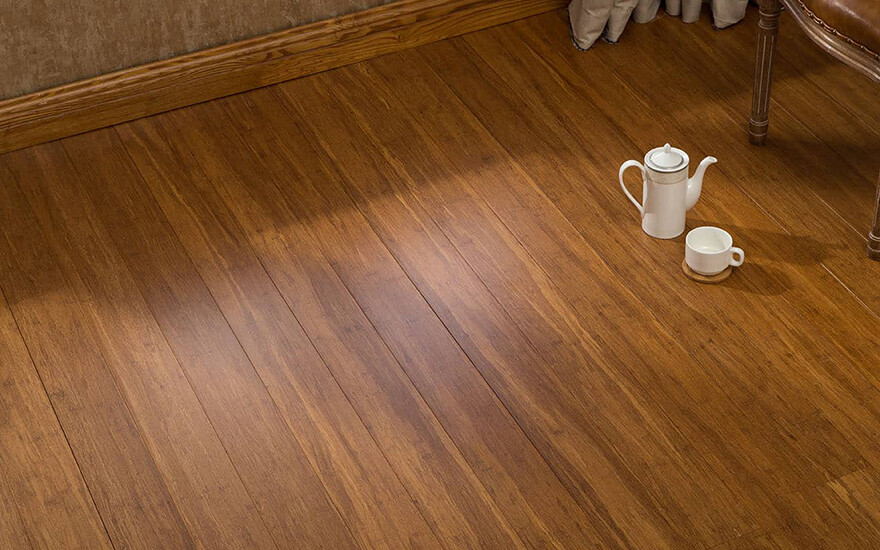
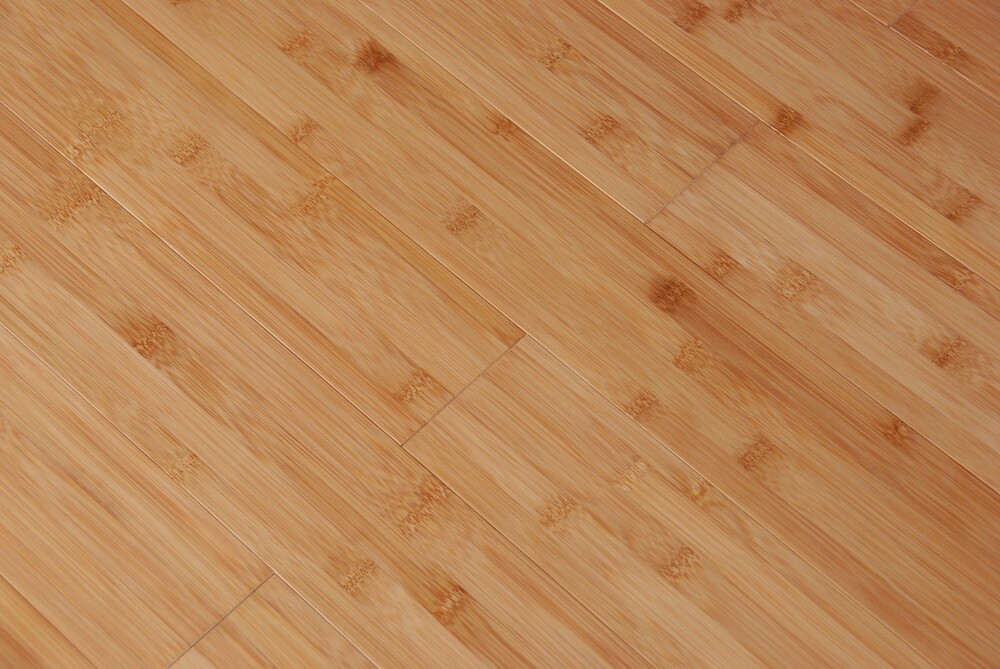
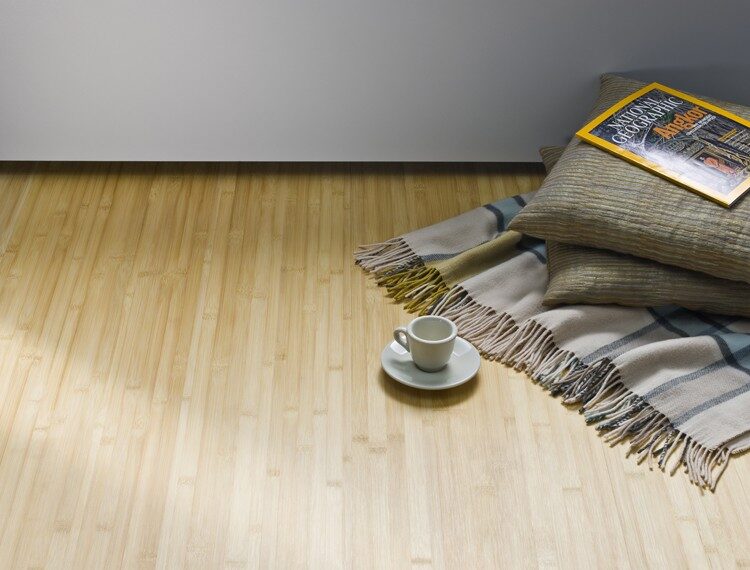
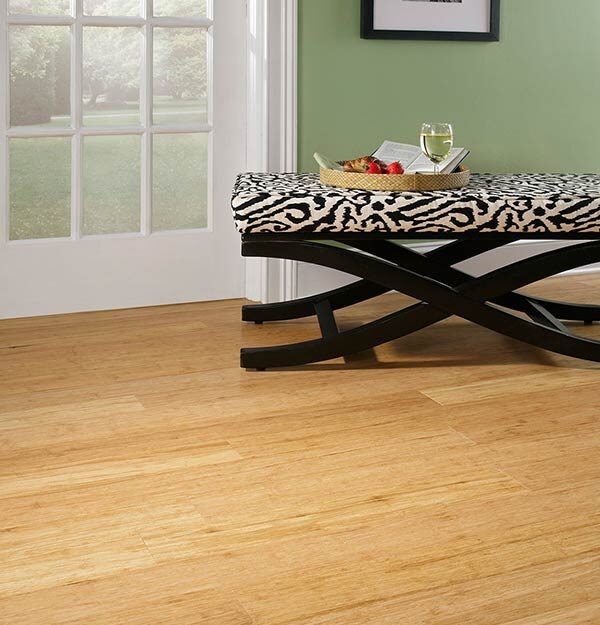
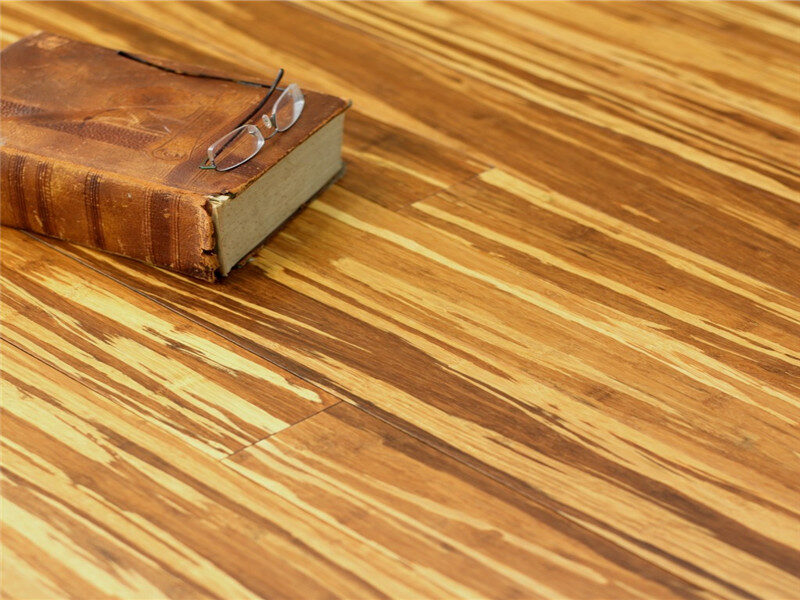
When homeowners begin researching sustainable flooring options, bamboo often tops the list. However, once you dive into the specifics, you realize that "bamboo" isn't a single product. It comes in three primary constructions: horizontal, strand-woven, and vertical. Among these, vertical bamboo flooring offers a distinct architectural aesthetic that appeals to those who favor clean lines and a contemporary feel.
Advancements in solar technology often arrive in incremental steps rather than dramatic leaps. Among these developments, half-cut solar cells have become increasingly common in residential and commercial installations.
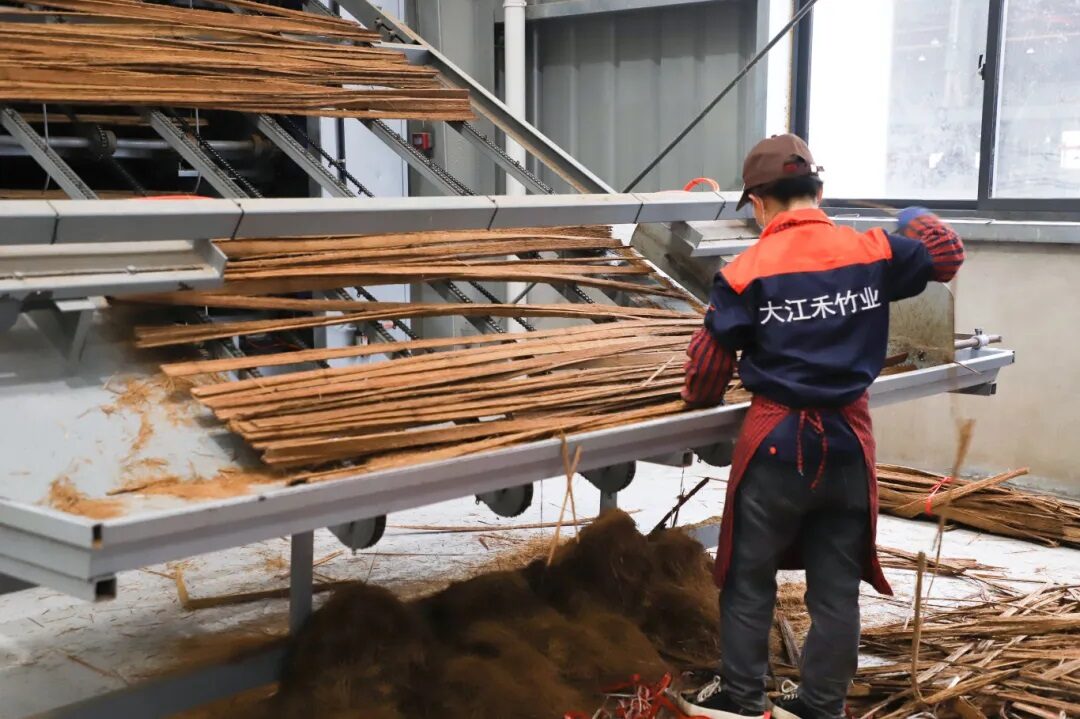
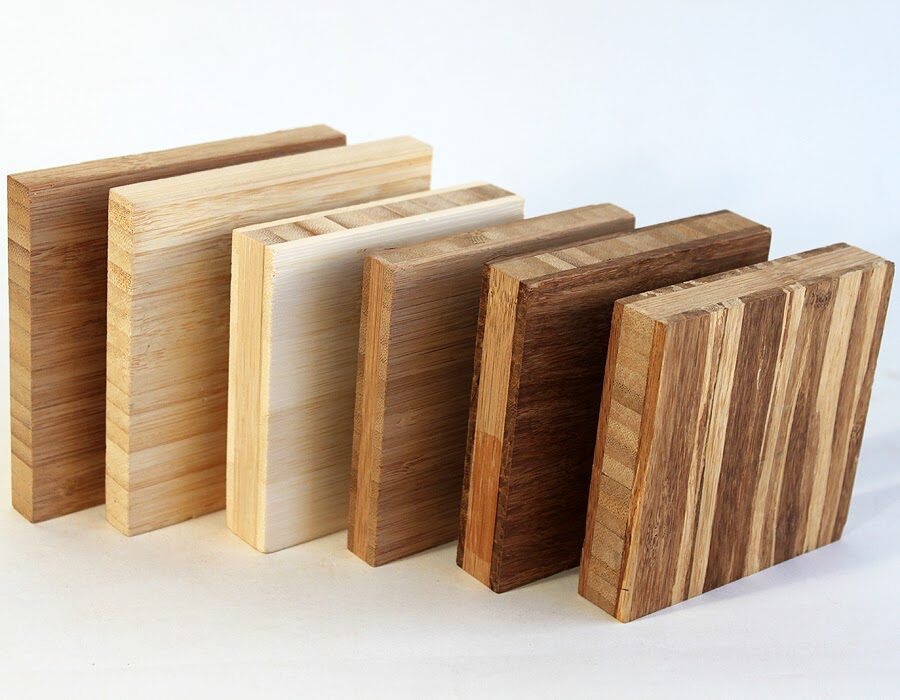
Bamboo veneer is no longer confined to niche applications or environmentally focused projects. Its rise reflects broader changes in how materials are sourced, processed, and valued. What was once appreciated mainly for its ecological advantages is now being recognized for its structural consistency, visual appeal, and adaptability in modern manufacturing systems.
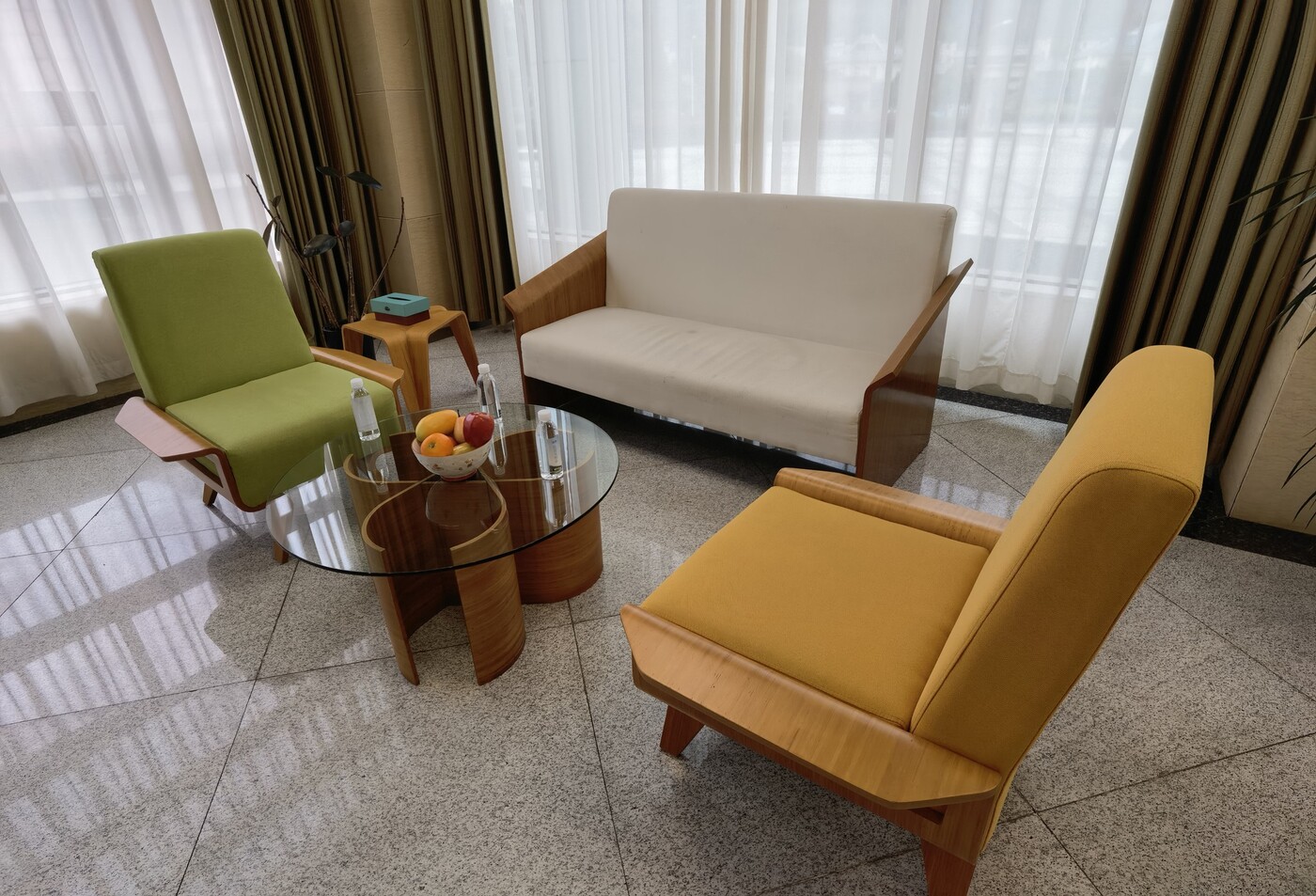
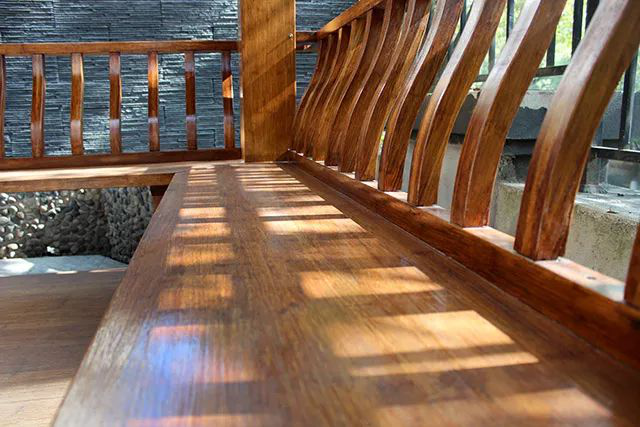
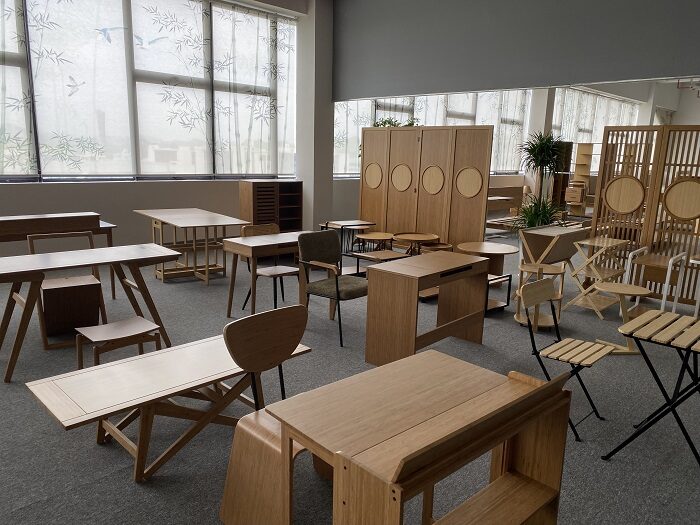
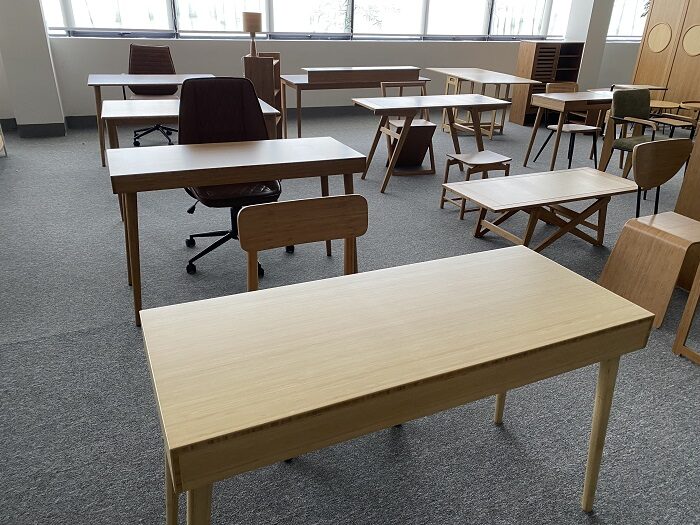
Furniture has always reflected the preferences, values, and priorities of the people who use it. Over time, materials come in and out of favor, often shaped by changing lifestyles or new production methods. Bamboo, once considered a traditional material in certain regions, has steadily gained recognition in broader markets. Its rising popularity is rooted in its ability to combine style, strength, and sustainability in a way that appeals to modern households, designers, and furniture makers.

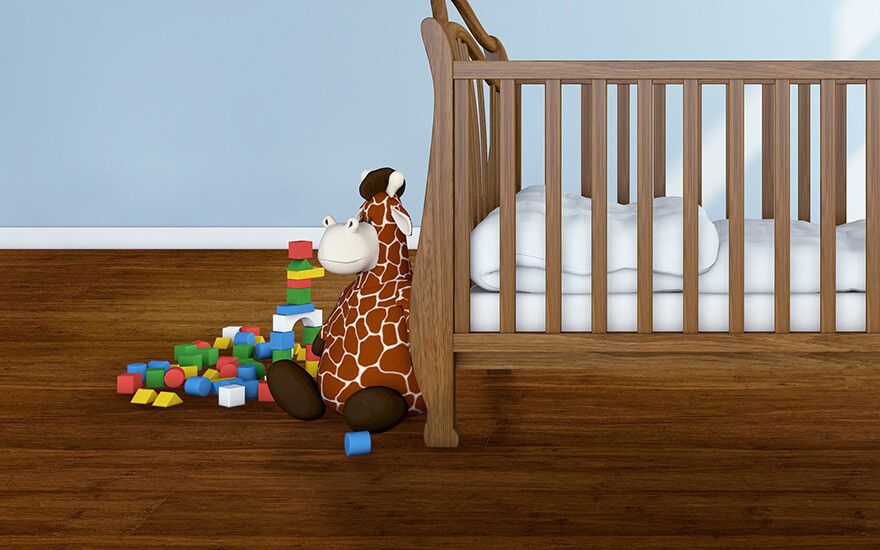
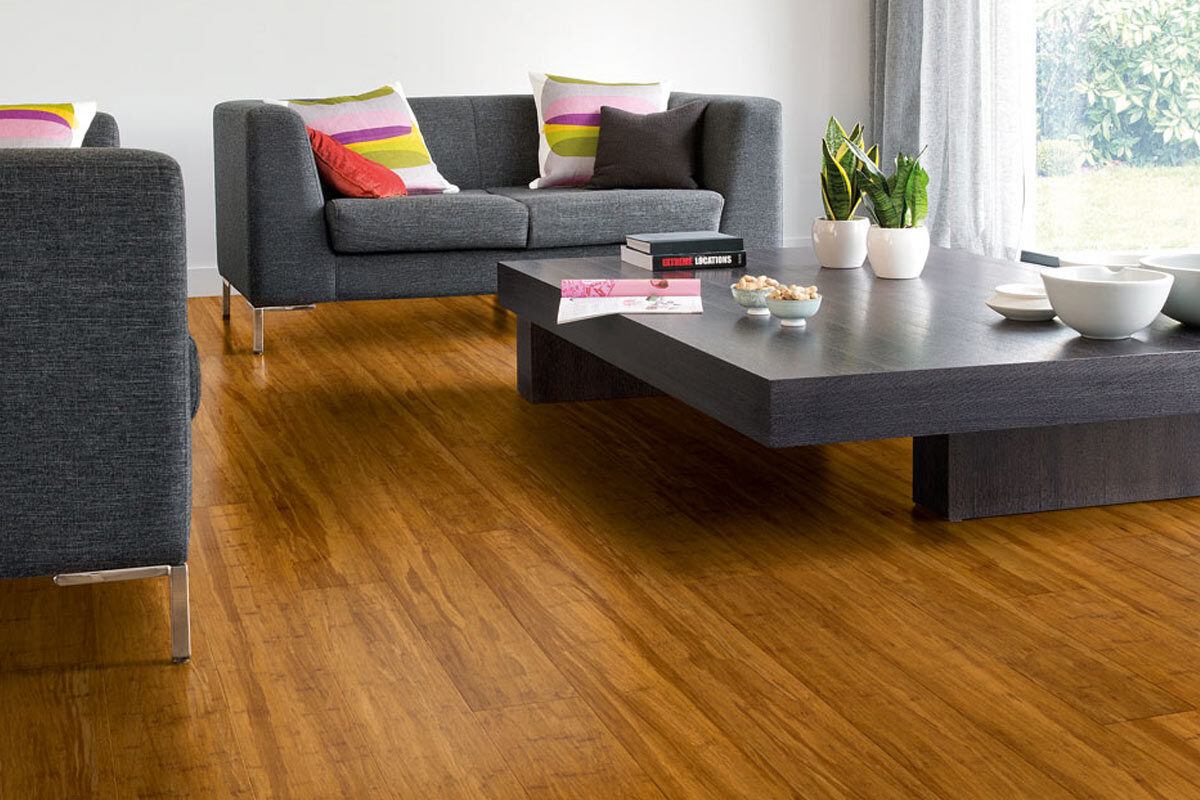
Interior design trends shift over time, yet some materials steadily earn a place in homes because they combine practicality, durability, and visual appeal. Bamboo flooring is one such material. What once started as a niche option has grown into a strong contender beside hardwoods and engineered floors. Its rising popularity is not accidental. Homeowners, designers, and builders have found that bamboo offers a blend of performance, sustainability, and aesthetic versatility that suits a wide variety of interiors.
logo בניית אתרים בחינם