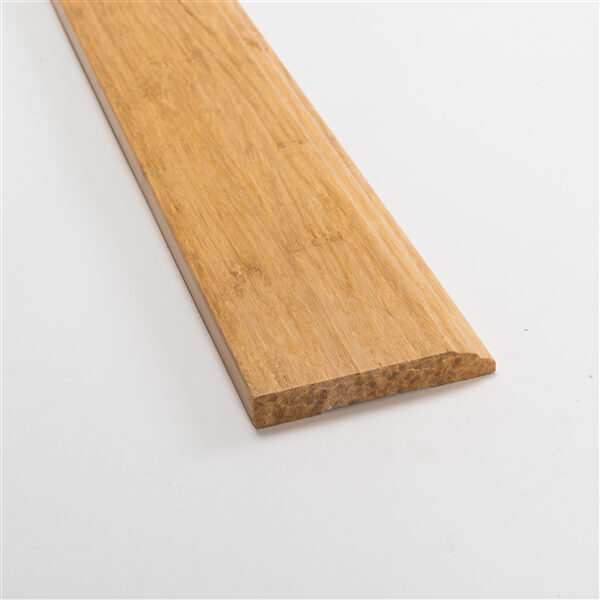
Bamboo Skirting Boards: The Perfect Match for Eco Flooring
When finishing a room, the skirting board—often referred to as baseboarding—is the final architectural element that bridges the gap between the wall and the floor. While it might seem like a minor detail, the choice of material for this border dictates the cohesion and durability of the entire interior. For those who have invested in sustainable flooring, such as bamboo, cork, or reclaimed timber, the standard choice of Medium Density Fibreboard (MDF) or softwood often feels like an afterthought that lacks the character and environmental integrity of the floor itself. Bamboo skirting boards have emerged as the premier finishing touch, offering a material that matches the physical resilience and ethical standards of modern eco-flooring.
The reason bamboo is increasingly favored by architects and interior designers is not just its rapid renewability, but its inherent structural properties. Bamboo is a grass that grows with incredible density, and when processed into architectural moldings, it provides a level of impact resistance and moisture stability that far exceeds traditional wood products. Choosing bamboo skirting is a decision to prioritize longevity and aesthetic continuity, ensuring that the "eco" label of a home is consistent from the ground up.
The Aesthetic of Continuity
The most compelling reason to pair bamboo skirting with bamboo flooring is the visual harmony. Natural materials possess a unique grain and "chatoyancy"—the way the fibers reflect light depending on the angle of view. When you install a bamboo floor but finish it with painted MDF or a different species of wood, the transition can feel jarring.
Bamboo skirting is typically manufactured in the same styles as the flooring: natural (blonde), carbonized (honey-toned), or strand-woven (multi-tonal). By matching the skirting precisely to the floor, you create a seamless "wrap-around" effect. This makes the room feel more expansive and grounded. In modern, minimalist designs, this continuity is essential. It eliminates the visual clutter of a contrasting border and allows the eye to travel smoothly across the planes of the room.
Even if you aren't using bamboo flooring, bamboo skirting acts as a sophisticated neutral. Its fine, linear grain is much more subtle than the heavy burls of oak or the knots of pine. This makes it a versatile choice for contemporary homes where clean lines and a sense of calm are the primary design goals.
The Resilience of High-Traffic Borders
The bottom six inches of a wall are a combat zone. They are subjected to the impact of vacuum cleaners, the scuffs of shoes, and the moisture of floor mopping. This is where bamboo’s physical properties provide a distinct advantage over traditional timber.
Bamboo is notoriously hard. On the Janka hardness scale, certain types of strand-woven bamboo outperform even the hardest tropical hardwoods. When used for skirting, this means the material is significantly less likely to dent or splinter when struck. Traditional softwood skirting is notorious for showing every "ding" from a wayward piece of furniture or a child’s toy. Bamboo, by contrast, maintains its crisp, clean edges for decades.
Furthermore, bamboo is more dimensionally stable than most hardwoods. Because of the way the stalks are sliced, pressed, and laminated, the material is less prone to the dramatic expansion and contraction cycles that cause wood skirting to pull away from the wall or develop gaps at the mitered corners. This stability is particularly important if you have underfloor heating or live in a climate with fluctuating humidity.
Moisture Resistance in the Modern Home
One of the greatest weaknesses of standard MDF skirting is its reaction to water. If a mop is too wet or a small spill occurs, MDF can act like a sponge, swelling and "bubbling" at the base. Once MDF has water damage, it is impossible to repair; the entire length must be replaced.
Bamboo fibers are naturally evolved to thrive in humid environments. While no organic material should be submerged in water, bamboo skirting handles the routine moisture of cleaning and the humidity of a kitchen or bathroom with ease. The dense lamination process and the high-quality finishes applied to bamboo products create a surface that is nearly impervious to the splashes of daily life. For homeowners, this translates to a lower maintenance burden and a house that looks "new" for much longer.
The Environmental Imperative
The term "eco flooring" has become a major selling point, but a floor is only as sustainable as the materials used to finish it. Choosing bamboo skirting is a way to ensure that your home renovation doesn't contribute to the deforestation of old-growth forests.
Bamboo is a remarkable resource because it is a grass, not a tree. While a hardwood forest may take 50 to 100 years to reach maturity, a bamboo grove can be harvested every five to seven years. Perhaps more importantly, harvesting bamboo does not kill the plant. The root system remains intact, preventing soil erosion and allowing the plant to immediately begin regrowing for the next harvest. This makes it a carbon-sequestering powerhouse.
By opting for bamboo moldings instead of timber, you are supporting a regenerative agricultural cycle. For those who are building or renovating with a "Cradle to Cradle" philosophy in mind, bamboo is one of the few materials that truly fits the bill.
Professional Installation and Finishing Tips
Achieving a professional result with bamboo skirting requires a slightly different approach than working with softwoods. Because the material is so dense, it requires high-quality tools and a careful hand.
Cutting and Mitered Joints
Because bamboo is highly fibrous, using a standard, coarse-toothed saw blade will often result in splintering at the edges. For the cleanest mitered joints, professionals use a high-tooth-count, carbide-tipped blade on a compound miter saw. This ensures that the 45-degree angles are sharp and the fibers are cut cleanly rather than torn. Applying a strip of painter's tape over the cut line can further protect the finish from chipping.
Fastening Methods
The density of bamboo makes it difficult to drive traditional nails by hand without pre-drilling. Most installers prefer using a pneumatic finish nailer or a headless pinner. These tools drive the fastener into the material so quickly that the wood doesn't have time to split.
Alternatively, because bamboo is so stable, many modern installers use high-strength construction adhesives to bond the skirting directly to the wall. This "no-nails" approach results in a perfectly smooth surface with no nail holes to fill, which is particularly beneficial if you are using pre-finished bamboo that you don't want to touch up with putty.
Managing Expansion Gaps
When installing eco-flooring, an expansion gap is always left around the perimeter of the room to allow the floor to breathe. The primary functional role of the skirting board is to hide this gap. When installing bamboo skirting, it is vital to remember that the board should be fastened to the wall, not the floor. This allows the flooring to move independently beneath the skirting, preventing buckling or gaps as the seasons change.
Maintenance and Long-Term Care
Once installed, bamboo skirting is remarkably low-maintenance. Unlike painted skirting, which requires periodic repainting to cover scuffs and chips, pre-finished bamboo maintains its color and luster with very little effort.
A simple wipe-down with a damp cloth is usually all that is needed to remove dust and dirt. Because bamboo is resistant to staining, it won't absorb the grime that often accumulates at the base of walls. If the skirting ever does sustain a deep scratch, it can be sanded and refinished just like hardwood—a luxury you don't get with laminated or MDF products.
A Healthier Indoor Environment
An often-overlooked benefit of choosing bamboo over MDF is indoor air quality. Many standard skirting boards are made with adhesives that contain urea-formaldehyde, which can off-gas into the home over time. High-quality bamboo skirting manufacturers typically prioritize low-VOC (Volatile Organic Compound) adhesives and finishes.
For families with allergies or respiratory sensitivities, every square inch of a home's surface area matters. By choosing a natural, low-emission material like bamboo for your moldings, you are contributing to a cleaner, safer breathing environment. This aligns perfectly with the broader goals of eco-friendly living, which seek to protect both the planet and the inhabitants of the home.
The Financial Logic of Quality
While bamboo skirting may have a higher upfront cost than the cheapest MDF options, the long-term value is undeniable. The durability of the material means you won't be replacing it due to water damage or mechanical wear. The timeless aesthetic means it won't go out of style as design trends shift.
Furthermore, as sustainable building certifications like LEED and BREEAM become more influential in the real estate market, having a home finished with high-quality, renewable materials can actually improve the property's resale value. Discerning buyers recognize the difference between a house finished with "contractor-grade" materials and one finished with intentional, high-performance products like bamboo.
The decision to install bamboo skirting boards is the final piece of the puzzle in a sustainable home design. It is a choice that respects the craftsmanship of the flooring, the health of the family, and the future of the environment. By paying attention to the edges of the room, you create a space that feels complete, intentional, and built to last.