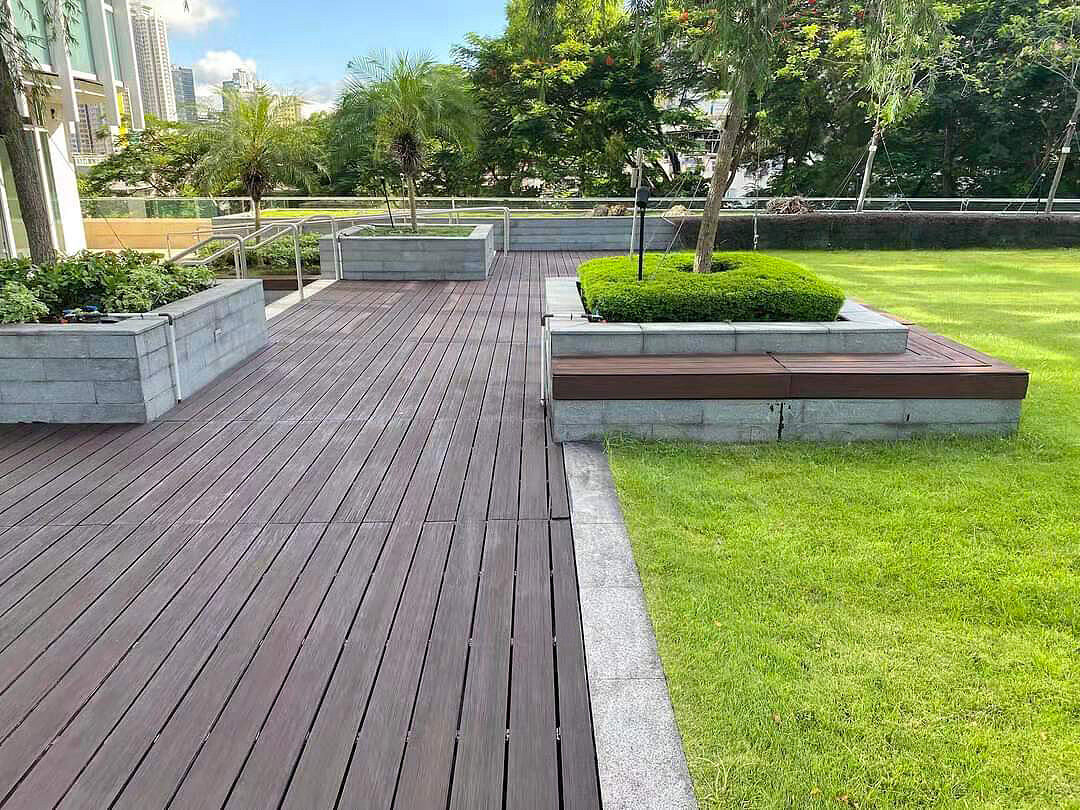
Preventing Mold and Mildew on Bothbest Moso Decking in Wet Climates
Outdoor living spaces are beautiful extensions of human architecture, providing a place to unwind, entertain, and connect with the surrounding landscape. However, designing an outdoor sanctuary requires materials capable of enduring the relentless forces of nature. For homeowners and builders residing in wet, humid, or high-rainfall climates, the choices are often limited. Traditional softwoods decay rapidly without intensive chemical treatments, while synthetic plastics can trap heat and lack an authentic, premium feel.
As a result, sustainable high-density grass products have gained immense popularity. Architects and property owners have long recognized the interior benefits of this material, particularly through the use of strand-woven bamboo decking, which has set new standards for hardness and durability indoors. Translating that resilience to the outdoors, however, requires a completely different engineering approach.
Exterior decking is constantly subjected to a cycle of heavy downpours, high relative humidity, and standing water. In these damp environments, mold and mildew spores find the perfect breeding ground. While premium fused bamboo options like Bothbest Moso decking possess natural structural defenses against biological threats, maintaining a pristine, spore-free outdoor space in a wet climate requires a combination of proper installation design, active ventilation, and smart maintenance habits.
The Biological Threat: Why Mold and Mildew Targeted Outdoor Surfaces
To effectively combat mold and mildew, it helps to understand what these organisms need to survive. Mold spores exist naturally in the air everywhere around us. They require three core elements to colonize a surface: a food source, consistent moisture, and a lack of direct ultraviolet light or air movement.
Traditional wood decking contains high concentrations of natural starches and sugars within its cellular structure, which act as an immediate food source for fungi. When rain falls and gets trapped in the pores of the wood, spores quickly germinate, leading to the familiar green or black discoloration that makes outdoor surfaces slippery and unsightly.
Engineered Moso decking undergoes an advanced thermal modification process at the factory to eliminate these biological food sources. By heating the raw strands to extreme temperatures, the internal sugars are caramelized and neutralized, making the material unpalatable to fungi and wood-boring insects. However, even if the material itself does not provide a food source, organic debris like fallen leaves, pollen, dust, and grass clippings can accumulate on top of the deck. When combined with lingering moisture, this surface layer of dirt can still support mold growth, regardless of the underlying material's quality.
Structural Installation Strategies for Wet Climates
The most effective defense against mold begins long before the first board is fastened into place. Proper installation architecture ensures that water moves away from the structure rapidly, eliminating the stagnant microclimates where spores thrive.
Substructure Ventilation and Airflow
The space underneath an outdoor deck is often completely forgotten, yet it is the primary zone where mold problems begin. When rain falls through the gaps between deck boards, it pools on the soil or concrete below. If the deck perimeter is completely sealed off by solid wood skirting, that water evaporates upward, creating a permanent sauna-like environment directly beneath the planks.
To prevent this, ensure your deck substructure has continuous ventilation. Leave open pathways for cross-ventilation beneath the joists. If you install skirting around the base of the deck, utilize lattice, slotted panels, or decorative screens that allow air to move freely. Continuous airflow dries out the ground beneath the deck and ensures the undersides of the planks stay dry.
Correct Joist Pitch and Drainage
Water must never be allowed to pool underneath the deck structure. If building over a concrete patio or a solid rubber membrane, ensure the substrate is pitched at a minimum slope of one to two percent away from the residential foundation. For decks built directly over soil, grade the earth to prevent pooling and consider laying down a high-quality weed barrier fabric topped with a layer of clean gravel to facilitate rapid drainage.
Precision Board Gapping
When installing engineered planks in wet climates, adhere strictly to the manufacturer's gapping guidelines. Utilizing hidden stainless steel clip systems automatically sets a uniform gap between the sides of the boards, typically around five to six millimeters. This spacing is vital because it allows water to drain off the surface instantly and creates consistent vertical airways that encourage rapid drying after a storm.
Active Maintenance Practices for High-Rainfall Environments
While structural engineering provides a strong foundation, living in a wet climate means your outdoor surfaces require active management to stay ahead of fungal spores. Implement these straightforward maintenance routines to protect your investment.
Keep the Surface Clear of Organic Debris
A beautiful yard often comes with falling leaves, pine needles, and pollen. If allowed to sit on the deck surface, this organic material traps moisture against the planks and decays, forming a nutrient-rich layer of soil right in the grain grooves. Use a stiff-bristle broom or a leaf blower at least once a week to clear away leaves and debris, paying close attention to the gaps between the boards where dirt tends to lodge.
The Power of Regular Washing
At least twice a year—ideally in the spring before the humid season begins and in the autumn after the leaves have fallen—give your deck a thorough wash.
-
Avoid High-Pressure Blasting: While it is tempting to use a heavy-duty pressure washer to blast away dirt, excessive water pressure can erode the protective finish and fray the surface fibers of dense natural materials. Instead, stick to a standard garden hose equipped with a spray nozzle or a low-pressure setting under one thousand pounds per square inch.
-
Utilize Specialized Oxygen Bleach Cleaners: Avoid using harsh chlorine bleach, which can strip the natural coloration from the material and harm surrounding landscaping plants. Instead, opt for an outdoor cleaner formulated with oxygen bleach (sodium percarbonate). When mixed with warm water, it creates an effervescent reaction that safely lifts embedded dirt, mold, and mildew out of the grain without damaging the surface.
-
Scrub with the Grain: Apply the cleaning solution and allow it to sit for ten to fifteen minutes to loosen the grime. Use a soft to medium-nylon bristle brush on a long handle to scrub the planks along their length, then rinse thoroughly with clean water.
Long-Term Protective Coatings and Sealing
In regions characterized by near-constant rainfall or high humidity, a secondary line of defense in the form of a penetrating exterior oil is highly recommended.
Unlike traditional wood finishes that form a thick, plastic-like film on top of the material—which can crack, peel, and trap water underneath—engineered bamboo requires a deeply penetrating oil finish. These oils soak into the microscopic pores of the compressed strands, curing from within to create a hydrophobic barrier that forces water to bead up and roll off the surface rather than soaking into the plank.
Choosing the Right Oil
Select a high-quality exterior oil designed specifically for dense hardwood or strand-woven materials. These formulas typically contain advanced ultraviolet inhibitors to prevent the sun from fading the rich espresso tones of the material, alongside specialized fungicides that actively inhibit surface mold growth.
Application Best Practices
Before applying any protective oil, ensure the surface is completely clean and dry. Check the local weather forecast to ensure a window of at least forty-eight hours of dry, rain-free weather with moderate temperatures. Apply the oil in thin, even coats using a brush or a specialized roller, working along the length of two or three boards at a time. After twenty to thirty minutes, use a clean, dry microfiber cloth to wipe away any excess oil that has not been absorbed. Leaving puddles of excess oil on the surface will create a sticky, glossy film that attracts dust and turns black over time.
Embracing Long-Term Durability
Living in a wet climate does not mean you have to sacrifice the warmth, luxury, and organic beauty of a natural wood-toned outdoor living space. By choosing a material that has been optimized for structural stability through advanced thermal modification and heavy industrial compression, you avoid the warping and rotting issues common to standard timber.
When you combine this advanced manufacturing excellence with smart structural design, proper perimeter ventilation, and a simple, consistent cleaning regimen, your outdoor architecture will easily withstand the wettest seasons, remaining an inviting, beautiful retreat for decades.
About Bothbest
Bothbest is a premier professional manufacturer and exporter of top-quality MOSO bamboo flooring, paneling, and veneer products based in China. With decades of manufacturing expertise, they specialize in delivering durable, precision-milled, and environmentally sustainable building materials directly to global markets, ensuring exceptional craftsmanship for residential and commercial projects alike.